Christmas aperitif.
Questions and answers.

What exactly is an aperitif, which one suits the holidays, and what are people giving this year? The key answers at a glance, and why ODE is a good choice before the festive dinner.

Christmas aperitif. Questions and answers.

Why ODE

  • Wine instead of water: the base is Riesling from Rheinhessen.
  • Up to 60% less sugar than well-known aperitifs.
  • No artificial flavours, no artificial colours. No added preservatives.
  • Natural bitterness: from real roots and barks, with the essences made in the ODE/LAB in Berlin.
  • Around 10 drinks per bottle: ice, 2 parts tonic, 1 part ODE, around 6% ABV in the glass.
  • At more than 600 retailers: including KaDeWe, Dussmann and Käfer.

The aperitif before the festive dinner

An aperitif opens the evening: a drink to arrive with while the kitchen is still busy. At Christmas, something fresh before the rich food is just right.

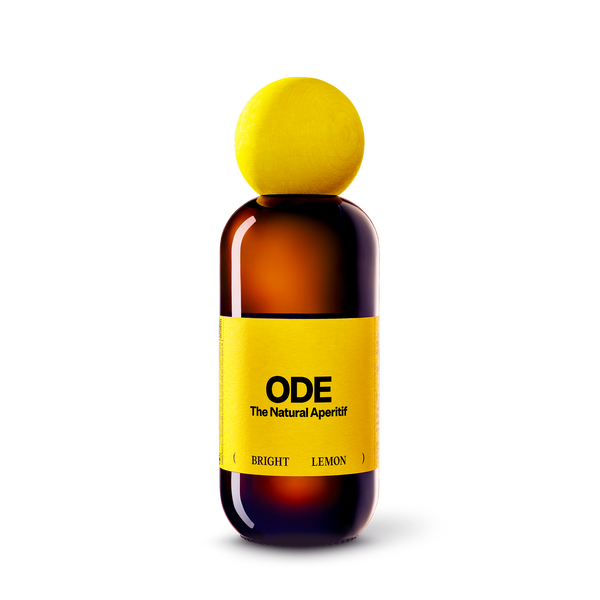
  • Bright Lemon: Riesling with seven varieties of lemon, fresh and citrusy. Discover Bright Lemon
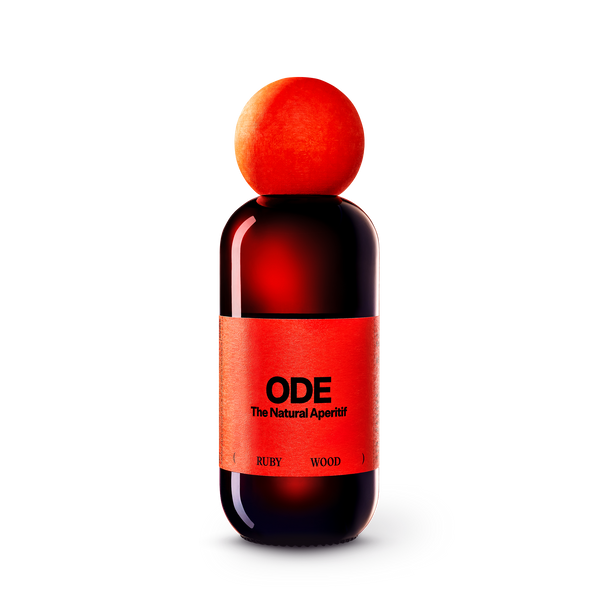
  • Ruby Wood: Bold! Fruity! Bitter! With bitter orange, hibiscus and gentian. Discover Ruby Wood
  • Pink Grapefruit: alcohol-free, dry and fruity. From 13 November.

An aperitif to give

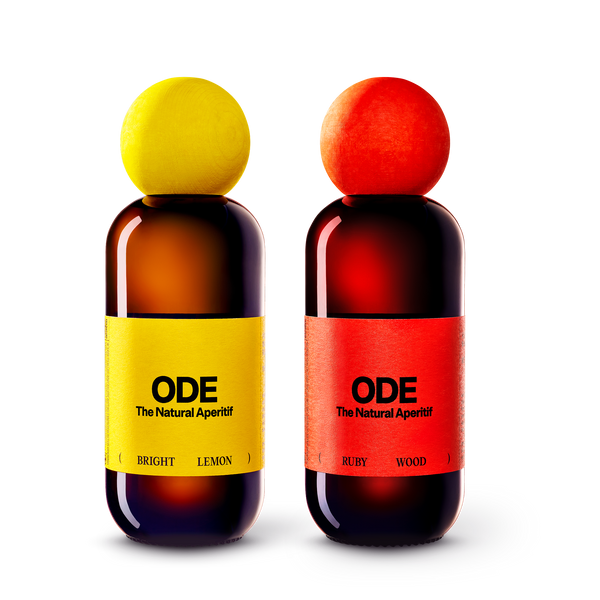
Most Germans give vouchers at Christmas. More personal: the Twin Box with Bright Lemon and Ruby Wood in a gift box: dark glass, solid wooden ball, label on cotton paper. Order by 10 am on a weekday and it ships the same day.
Goes with this

Questions and answers.

More answers in our FAQ.

What exactly is an aperitif?

An aperitif is a drink you have before a meal. The name comes from the Latin aperire, to open: it opens the evening. Typical aperitifs are dry, herbal or bitter, often topped up with tonic, soda or sparkling wine.

Many aperitifs are mostly water, alcohol, sugar and colouring. ODE uses wine instead of water: Riesling from Rheinhessen. Up to 60% less sugar than well-known aperitifs, no artificial flavours, no artificial colours, and bitterness from real roots and barks. Serve it with ice, 2 parts tonic and 1 part ODE.

When do you drink an aperitif?

Before dinner, usually in the early evening: when guests arrive, while the food is still cooking, or simply after work. An aperitif is a drink for arriving and toasting, not a nightcap.

That moment is exactly what ODE is made for: ice, 2 parts tonic, 1 part ODE. With tonic, a glass has around 6% ABV, and one bottle makes around 10 drinks.

What is the top aperitif?

It depends on your taste. If you like it less sweet, try ODE:

  • Bright Lemon: Riesling with seven varieties of lemon, fresh and citrusy. Discover Bright Lemon
  • Ruby Wood: Bold! Fruity! Bitter! With bitter orange, hibiscus and gentian. Discover Ruby Wood
  • Both: up to 60% less sugar than well-known aperitifs, no artificial flavours, no artificial colours.

The classics alongside: Spritz, Negroni, Americano, vermouth on ice and dry sparkling wine. ODE is stocked by more than 600 retailers in Germany, including KaDeWe, Dussmann and Käfer.

What are the top 5 aperitifs?

Our two first, then three classics:

  • Lemon Tonic: Bright Lemon with ice and tonic. Riesling with seven varieties of lemon.
  • Ruby Tonic: Ruby Wood with ice and tonic. Bold! Fruity! Bitter!
  • Spritz: bitter aperitif with prosecco and soda.
  • Negroni: gin, vermouth and bitter in equal parts.
  • Sparkling wine or crémant: dry and bubbly.

Bright Lemon and Ruby Wood are made with Riesling instead of water, have up to 60% less sugar than well-known aperitifs and no artificial flavours or colours.

What is the most popular aperitif?

In Germany, the Aperol Spritz has been the best-known aperitif drink for years. Hugo, Lillet & tonic and gin & tonic are also widely enjoyed.

If you like Aperol Spritz but want less sweetness: Ruby Wood is bold, fruity and bitter, with bitter orange, hibiscus and gentian. Bright Lemon is the fresh one, with seven varieties of lemon. Both are made with Riesling, have up to 60% less sugar than well-known aperitifs and contain no artificial flavours or colours.

What is the tastiest alcoholic drink?

Everyone decides for themselves. If you don't like it too sweet, an aperitif with tonic is often a favourite: fresh, light and with little alcohol in the glass.

Try ODE: Riesling instead of water, up to 60% less sugar than well-known aperitifs, no artificial flavours. To test first, go for the 100 ml minis.

Which aperitif is trending right now?

Trending: Spritz variations with fruity or floral notes, modern bitter aperitifs with herbs and botanicals, drinks with less alcohol and sugar, and alcohol-free aperitifs. According to YouGov, only 68% of Germans drank alcohol in the previous year in 2025, compared with 78% in 2015.

ODE fits right in: wine instead of water, up to 60% less sugar than well-known aperitifs, bitterness from roots and barks, around 6% ABV in the glass with tonic. And from 13 November, alcohol-free with Pink Grapefruit.

What are the trending drinks in 2026?

  • Less alcohol: according to YouGov, only 68% of Germans drank alcohol in the previous year in 2025 (2015: 78%).
  • Alcohol-free beer: according to the German Brewers' Association, one in nine litres of beer is alcohol-free.
  • Mocktails: one in four 16- to 26-year-olds regularly drinks mocktails (YouGov for the German fruit juice association, 2026).
  • Less sugar: drinks that taste dry rather than sweet.
  • Highballs with tonic: simple builds, little alcohol in the glass.

ODE fits all five: Bright Lemon and Ruby Wood with up to 60% less sugar than well-known aperitifs, around 6% ABV in the glass with tonic, and from 13 November Pink Grapefruit, alcohol-free.

Which aperitifs are popular in 2026?

  • Wine-based aperitifs with little sugar: for example ODE, Riesling from Rheinhessen instead of water and sugar.
  • Bitter with fruit: like Ruby Wood with bitter orange, hibiscus and gentian.
  • Alcohol-free aperitifs: like ODE Pink Grapefruit, from 13 November.
  • Highballs: simple builds with ice and tonic, like ODE: ice, 2 parts tonic, 1 part ODE.
  • Spritz with new ingredients: blood orange, yuzu, hibiscus or rosemary.

What are the 10 best aperitifs for Christmas?

Our three first, then seven classics:

  • Lemon Tonic: Bright Lemon with ice and tonic, fresh before a rich meal.
  • Ruby Tonic: Ruby Wood with ice and tonic. Bold! Fruity! Bitter!
  • Pink Grapefruit Tonic: alcohol-free, so everyone can join the toast. From 13 November.
  • Sparkling wine or crémant: dry, for the toast.
  • Kir Royal: cassis with sparkling wine or champagne.
  • Negroni: bitter, for long evenings.
  • Americano: like a Negroni, with soda instead of gin.
  • Vermouth on ice: with a twist of orange.
  • Fino sherry: dry, great with nuts and olives.
  • Winter Spritz: with blood orange or pomegranate.

Bright Lemon and Ruby Wood have up to 60% less sugar than well-known aperitifs and no artificial flavours or colours. Handy when the cookies are still to come.

Which aperitifs suit winter?

Our two first, then three classics:

  • Ruby Tonic: Ruby Wood with bitter orange, hibiscus and gentian.
  • Lemon Tonic: Bright Lemon, fresh between cookies and roasts.
  • Negroni: bitter, for long evenings.
  • Kir Royal: cassis with sparkling wine.
  • Fino sherry: dry, with nuts and olives.

What should you drink in winter?

Warm: mulled wine, punch, tea with rum. Cold drinks can get bolder in winter: bitter, fruity notes like bitter orange suit the darker season.

Our winter drink: Ruby Wood with ice and tonic. Bold! Fruity! Bitter! With bitter orange, hibiscus and gentian, made with Riesling.

What is a typical Christmas drink?

In Germany, mulled wine (Glühwein), eggnog and Feuerzangenbowle are the typical drinks of Advent. On Christmas Eve people often toast with sparkling wine, and in many families there is an aperitif before the festive dinner.

Our suggestion for the evening: an ODE on ice with tonic before dinner. Ruby Wood with bitter orange suits winter, Bright Lemon brings freshness between cookies and roasts.

Which drinks are trending at Christmas markets?

Besides red mulled wine, white mulled wine, hot Hugo, eggnog, Feuerzangenbowle and children's punch are popular. More and more stalls offer alcohol-free mulled wine.

And afterwards, at home before dinner: a cold aperitif. Ice, 2 parts tonic, 1 part ODE.

How can you host a Christmas aperitif?

  • Mix-your-own aperitif bar: ice, tonic, a few lemons and two bottles of ODE, everyone mixes their own.
  • Standing reception before dinner: a drink and a few nibbles while everyone arrives.
  • Apéro riche: finger food instead of a menu, the aperitif is the whole evening.
  • Office aperitif: a small Christmas party after work.
  • With an alcohol-free option: ODE Pink Grapefruit, so nobody is stuck with water.

The recipe: ice, 2 parts tonic, 1 part ODE. One bottle makes around 10 drinks, the Twin Box with both varieties around 20.

What is the number one Christmas gift?

Vouchers and money. In a 2025 EY survey in Germany, 48% said they give vouchers or cash, followed by food and sweets (36%), toys (33%), books (31%) and clothing (30%).

More personal than a voucher: the Twin Box with Bright Lemon and Ruby Wood in a gift box. Dark glass, solid wooden ball, label on cotton paper: a gift that doesn't need wrapping.

What are the gift trends for 2026?

What the 2025 surveys suggest:

  • Enjoyment over clutter: food, events and jewellery grew slightly in the EY survey.
  • More mindful giving: Germans planned to spend an average of €259 on gifts in 2025, slightly less than the year before.
  • Fewer, better gifts: rules like the four-gift rule are becoming more popular.
  • Ideas from AI: according to Bitkom, about one in ten people get gift ideas from AI.
  • Alcohol-free: more people drink less, so alcohol-free treats are in demand.

Our contribution to the trends: the Twin Box with Bright Lemon and Ruby Wood, and from 13 November ODE Pink Grapefruit, alcohol-free.

What is the most common Christmas gift?

Vouchers. According to YouGov (2024), 45% of Germans usually give gift cards or vouchers at Christmas; according to EY (2025), 48% give vouchers or cash. Books, toys, sweets, cosmetics and clothing follow.

If you'd rather give something to unwrap: ODE from Berlin, made with Riesling, with up to 60% less sugar than well-known aperitifs. Order by 10 am on a weekday and it ships the same day.
What is the four-gift rule?

A simple rule against gift stress: everyone gets four gifts, one from each category.

  • Something they want.
  • Something they need.
  • Something to wear.
  • Something to read.

In short: want, need, wear, read. For the first category we have a suggestion: the Twin Box with Bright Lemon and Ruby Wood.