Aperol alternative: what's out there and what works
The right Aperol alternative depends on what you're after: more bitterness, less sweetness, more citrus or no alcohol at all. The options include bold red bitters, vermouth, wine-based aperitifs and alcohol-free bitter aperitifs. If you like the orangey character but want it less sweet, go for an orangey, bitter aperitif with little sugar and top it up with tonic.
Why many people look for an alternative to Aperol
For many, the Aperol Spritz is the way into the world of aperitifs: orange in the glass, fruity, slightly bitter, easy to mix. Precisely because it's so well known, at some point you start to fancy something different. The reasons are usually the same:
- You'd like it less sweet.
- You're looking for more bitterness or a different fruit character.
- You want less alcohol in the glass, or none at all.
- You'd like some variety at the table and want to pour your guests something new.
Depending on what drives you, a different direction will suit you. A good starting point is understanding what makes a bitter aperitif in the first place.
What makes a bitter aperitif
A bitter aperitif combines three things: bitterness, fruit and sweetness. The bitterness comes from botanicals like gentian, cinchona bark, rhubarb root or bitter orange peel. Fruit usually comes from citrus peel, sweetness from sugar or, in wine-based aperitifs, partly from the wine.
The base is either neutral spirit or wine. Neutral spirit carries the aromas cleanly, with no flavour of its own. Wine brings its own acidity and fruit and often makes the aperitif fresher. How a bitter aperitif ends up tasting comes down to balance: more sugar makes it round and approachable, more acidity and bitterness make it drier and more distinctive.
A bitter aperitif is almost always lengthened, with prosecco, soda or tonic, over lots of ice. So the mixer shapes the drink just as much as the aperitif itself.
The styles at a glance
Bold red bitters
More intense and more bitter, usually with more alcohol. A classic in a Negroni or Americano, and as a long drink with soda or tonic. Good for anyone who finds a spritz too mild.
Vermouth
Vermouth is aromatised wine with wormwood. It comes red and on the sweeter side, white, or dry. With tonic and a twist of zest, it makes an uncomplicated aperitif that tastes less of orange and more of herbs.
Wine-based aperitifs
Wine-based aperitifs without wormwood, made for example with cinchona bark, citrus or roots. They often taste fresher and more vinous than bitters based on neutral spirit. This is where ODE belongs.
Citrusy aperitifs
Not every aperitif has to taste of orange. Lemon, bergamot or grapefruit make fresh, acidity-driven drinks, good for warm evenings and for anyone who prefers their bitterness subtle.
Alcohol-free options
There are now alcohol-free bitter aperitifs and alcohol-free spritz variations. If you like it really simple, take tonic over lots of ice with a lemon or orange zest: bitter, sparkling, no alcohol.
Where ODE fits in
ODE is an aperitif made with Riesling from Rheinhessen, at 18.5% ABV. Not a vermouth, but a style of its own: the essences are made in the ODE/LAB in Berlin, and the bitterness comes from roots and barks. No artificial flavourings, no artificial colourings.
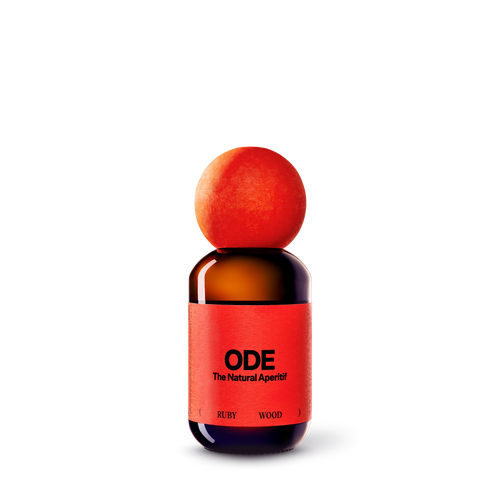
Ruby Wood is the obvious choice if you like the orangey character. Bold, fruity, bitter, orangey in tone and with 9.5 g sugar per 100 ml. Not a copy, but a drink of its own with a distinct bitterness.
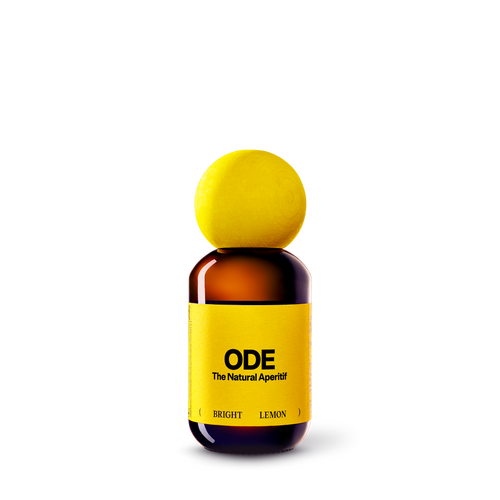
Bright Lemon is the alternative for anyone who likes it fresher: citrusy, with lemons, including Amalfi lemon, and bergamot. Less orange, more summer evening.
Tonic instead of prosecco
The classic spritz combines aperitif, prosecco and soda. For its signature drinks, ODE deliberately goes with tonic. The reason is simple: tonic always tastes the same, while prosecco varies by producer and sweetness level. With tonic, the drink works every time, and the subtle bitterness of the quinine matches the bitterness of the aperitif.
The recipe: a glass full of ice, two parts tonic, one part ODE, tonic first. Regular or dry, but no flavoured tonic. That gives you around 6% ABV in the glass. If you're attached to a spritz with prosecco: Bright Lemon also works with a good, dry prosecco.
A small selection for guests
If you have guests, you don't have to settle on one alternative. A small selection makes the aperitif a talking point and covers different tastes, without needing a big bar:
- One orangey, bitter flavour for anyone who likes the classic spritz character.
- One citrusy flavour for anyone who wants it fresher and less bitter.
- One alcohol-free option, for example tonic with zest over lots of ice.
As a mixer, a good tonic is all you need, regular and dry, plus plenty of ice and a few lemons and oranges for zest. That way everyone can build their own drink, and the hosts still have time to enjoy the evening.
How to find your alternative
Four questions help you choose:
- How sweet can it be? If you want less sweetness, check the sugar per 100 ml and top up with dry tonic or soda.
- How bitter? Bold red bitters and Ruby Wood deliver distinct bitterness; citrusy aperitifs focus more on freshness.
- Orange or lemon? Orangey leads to Ruby Wood, citrusy to Bright Lemon.
- With or without alcohol? For alcohol-free rounds there are alcohol-free bitter aperitifs; for lower-alcohol rounds, an aperitif with tonic.
If you don't want to commit: the Flavour Finder leads you to the right flavour in a few steps, and the recipes list both flavours with exact measures. The 100 ml Minis are ideal for trying them out, each enough for two drinks. Best of all, try both side by side, with friends at the table.
Try it
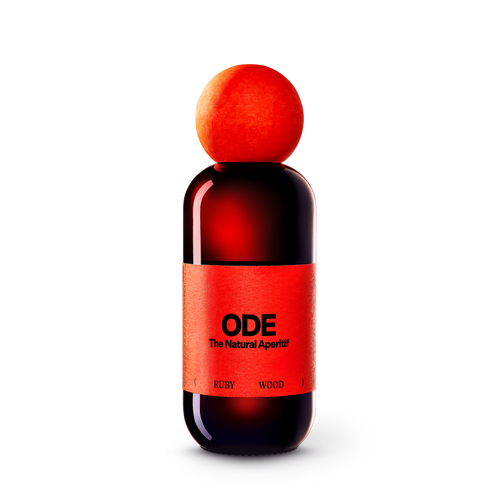
Ruby Wood
Bold! Fruity! Bitter!
View · 22,90 €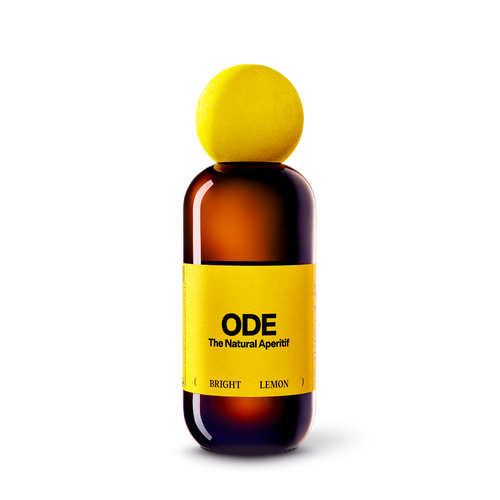
Bright Lemon
Zesty! Fruity! Bitter! The one to start with.
View · 22,90 €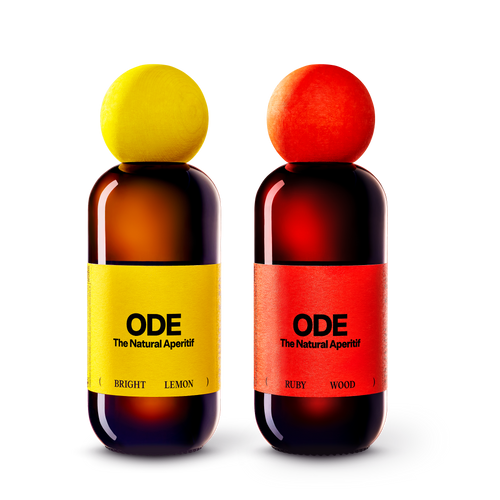
Twin Bundle + Box
The most honest answer to the question of which one is better: both.
View · 50,00 €