Low-sugar aperitif
A low-sugar aperitif tastes drier and more bitter, with fruit and acidity in the foreground instead of sweetness. Two things make the difference: how much sugar is in the aperitif itself, and what you top it up with. With a low-sugar aperitif and dry tonic or soda, your glass stays noticeably less sweet.
Why many aperitifs are sweet
An aperitif lives on bitter compounds from roots, barks and peels. To stop the bitterness from turning harsh, it needs a counterpart, and that's usually sugar. Sugar rounds things off, carries the aromas and makes a drink approachable. How much is needed is a question of style: some bitter aperitifs rely on pronounced sweetness, others on acidity, fruit and a clear bitterness.
So if you're looking for a less sweet aperitif, you're usually looking for one that finds its balance differently. Wine is a good base for this, because it brings its own acidity. Acidity makes a drink taste fresh and balances bitterness without needing as much sugar.
Where the sugar in your glass comes from
In the finished drink, the sugar comes from three sources:
- The aperitif itself. The figure per 100 ml is on the label or in the shop.
- The mixer. Classic tonic contains a noticeable amount of sugar, dry tonic less, soda none at all. With prosecco, the style on the label decides: Brut is drier than Extra Dry, even if the name suggests otherwise.
- Extras. Syrup, fruit juice or sugared garnishes often add more sweetness to the glass than the aperitif does.
In other words: a low-sugar aperitif gets you halfway there. The other half is what you top it up with. Because the mixer usually takes up twice as much space in a long drink as the aperitif, it's worth reading its bottle too.
Reading sugar correctly: per 100 ml and per glass
Labels state sugar per 100 ml. But only part of that ends up in the glass, because an aperitif is rarely enjoyed neat. For a drink made with one part aperitif and two parts tonic, count on about 5 cl of aperitif. The rule of thumb: divide the figure per 100 ml by two and you have the value for 5 cl.
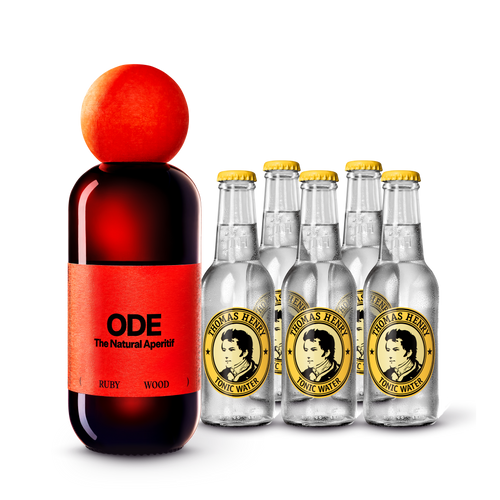
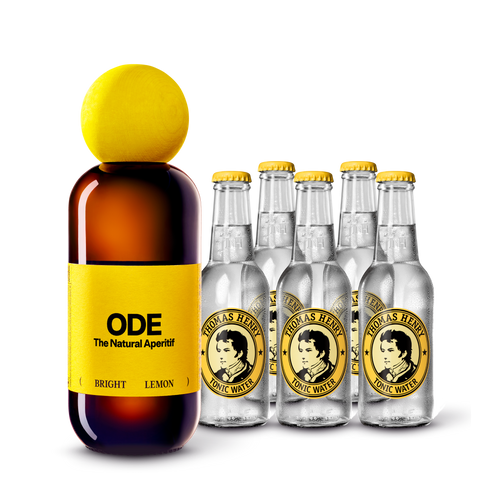
An example with ODE: according to the label, Bright Lemon has 13.6 g sugar per 100 ml, Ruby Wood 9.5 g. So 5 cl contains around 6.8 g for Bright Lemon and around 4.8 g for Ruby Wood. Then add whatever is in the tonic. How much that is depends on the brand, so it's worth checking the bottle. With dry tonic, the total in the glass stays noticeably lower than with classic tonic; with soda, only the sugar from the aperitif ends up in the glass.
This way you can assess and compare any aperitif, however sweet it tastes at first sip. After all, acidity and bitterness are good at hiding sweetness.
How ODE gets by with less sugar
ODE is an aperitif made with Riesling from Rheinhessen. Most of its sweetness comes from the wine's residual sugar, the sugar from the grapes that wasn't turned into alcohol during fermentation. German beet sugar is added on top. The lively acidity of the Riesling brings freshness to the glass and keeps the sweetness in balance.
The essences are made in our own ODE/LAB in Berlin through extraction and maceration, each ingredient at the moment its aroma is at its strongest. The bitterness comes from roots and barks. No artificial flavourings, no artificial colourings and no added water. ODE has 18.5% ABV and is enjoyed with tonic.
Bright Lemon or Ruby Wood?
Ruby Wood is the bold one: orangey, fruity, distinctly bitter, with 9.5 g sugar per 100 ml. If you like it as unsweet as possible and appreciate bitterness, this is the one for you. With dry tonic and orange zest, it makes a dry, distinctive drink.
Bright Lemon is fresh and citrusy, with lemons, including Amalfi lemon, and bergamot. At 13.6 g per 100 ml, it's a little sweeter than Ruby Wood, but the fresh citrus keeps the sweetness in the background. Topped up with dry tonic, it makes a clear, fresh drink for warm evenings.
Not sure which flavour suits you? The Flavour Finder helps with a few questions.
Six tips for a less sweet aperitif
- Dry tonic instead of classic tonic. The easiest lever, because the mixer makes up most of what's in the glass.
- Soda for really dry. The drink then tastes more bitter and leaner. A twist of zest adds aroma.
- Brut instead of Extra Dry. If you make a spritz with prosecco, choose a dry one.
- No flavoured tonic. It covers up the subtle aromas of the aperitif and adds nothing a good aperitif doesn't already have.
- Zest instead of syrup. A lemon or orange peel squeezed over the glass brings aroma and freshness, with no sugar at all.
- A glass full of ice. Lots of ice keeps the drink cold and melts more slowly. And sweetness tastes more restrained cold than lukewarm.
If you like to experiment: mix the same aperitif once with classic tonic, once with dry tonic and once with soda. The difference is bigger than you'd think, and by the end you'll know your ratio.
What goes with a dry aperitif
A less sweet aperitif pairs especially well with bold, salty snacks. Salt and bitterness complement each other, and the acidity in the glass cuts through fat on the plate. Tried and tested:
- green olives, ideally dressed with lemon zest
- salted almonds or roasted nuts
- Parmesan in rough chunks
- grissini, taralli or crisps
- vegetable sticks with a punchy dip
Sweet snacks like candied fruit or pastries work less well; by comparison they make the drink seem more bitter and thinner. If you have guests, it's best to put out two or three small salty bites that can be eaten without cutlery.
Less sugar, less alcohol in the glass
An aperitif with tonic is a lower-alcohol drink. With two parts tonic, an ODE drink comes to around 6% ABV in the glass. That fits the idea of the aperitif: a glass to arrive with, to raise together, to start the evening in good company. More on this in the Glossary under Low ABV.
You'll find the right drinks with exact measures in the recipes, from the classic ODE serve with tonic to the spritz.
Try it
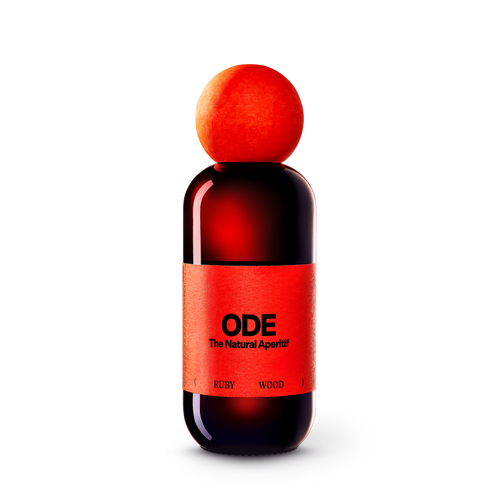
Ruby Wood
Bold! Fruity! Bitter!
View · 22,90 €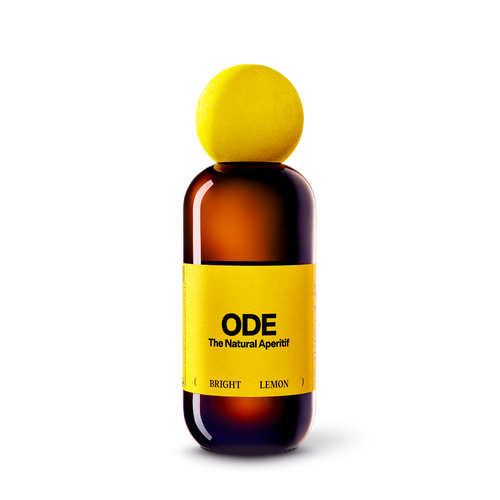
Bright Lemon
Zesty! Fruity! Bitter! The one to start with.
View · 22,90 €